Cats – INDIACRICKET
https://blog.indiacricket.co
Paws and Tales!Thu, 16 Oct 2025 16:28:56 +0000pt-BR
hourly
1 https://wordpress.org/?v=7.0.8https://blog.indiacricket.co/wp-content/uploads/2023/09/cropped-tvdoperu-1-32x32.pngCats – INDIACRICKET
https://blog.indiacricket.co
3232252767366Bloco de futebol
https://blog.indiacricket.co/bloco-de-futebol/
https://blog.indiacricket.co/bloco-de-futebol/#respondTue, 14 Oct 2025 12:22:21 +0000https://blog.indiacricket.co/?p=3275
]]>https://blog.indiacricket.co/bloco-de-futebol/feed/03275Futebol
https://blog.indiacricket.co/futebol/
https://blog.indiacricket.co/futebol/#respondWed, 08 Oct 2025 14:07:39 +0000https://blog.indiacricket.co/?p=3266
]]>https://blog.indiacricket.co/futebol/feed/03266Smart Decor: The Best Apps to Transform Your Home
https://blog.indiacricket.co/smart-decor-the-best-apps-to-transform-your-home/
https://blog.indiacricket.co/smart-decor-the-best-apps-to-transform-your-home/#respondTue, 19 Dec 2023 08:00:27 +0000https://tvdoperu.com/?p=486Have you ever thought about being able to decorate your house in a smart way? Yes, now this is possible using technology in your favor and a wide variety of decor applications.
Surely you must have already renovated or moved the house, and at this moment many doubts arise, especially when we do not understand much about the subject.
But now that is no longer a problem. You no longer have to go through this alone.
Now you have several decor apps available so you can smartly transform your home, saving time and money.
Most of these decor applications have three-dimensional design and projection so that users can have an idea of how the house will look even before moving a chair.
Want to give your home a new look? Keep reading and discover the best apps to transform your home in no time. Follow along and do it yourself!
Visualization in augmented reality: applications that allow you to visualize furniture and decorations in the real environment
Using augmented reality to decorate environments? Yes! Just scan the space you want to decorate or modify, and insert the things you want to place.
Thanks to this technology, it is possible to choose a new wall color or even find out which furniture works best in a given environment.
In addition to being very useful, we cannot deny that it is also very fun. It’s practically like you’re playing a game where you can change the decor of the house, only in this case it’s your house!
To use the apps, just scan the space you want to renovate, define the format and save the measurements. Soon, you can test the options of wall paints, floors, furniture and even decoration objects of the most varied possible.
The possibilities are endless, and once you get the result you want, you can share it with whoever you want.
Some apps even have partnerships with furniture and object stores, if you want your home to look exactly like the project you envisioned. Very cool, right?
Check out the apps below and start decorating your home smartly right now:
House craft
Ikea place
Measure
Tok&Stok
Homestyler interior design
Inspiration and trends: discover apps that offer decorating ideas and expert tips
Don’t know how to decorate your bedroom or living room? Your problems are over! Now you can count on super cool apps to help you organize concepts, get inspired and find everything you need for your renovation.
These apps are a tool in the palm of your hands, with trends, DIYs, inspirations, and much more, all to make your life easier when decorating your home or renovating.
Using these apps, it’s much easier to give your entire home or a specific environment a sophisticated look. There are millions of internal and external images in high resolution of rooms, styles, among others.
In some applications, it is even possible to interact with various professionals in the field, such as landscapers, architects and designers. In addition to having access to expert tips that you will definitely need.
If you’re looking for a source of inspiration for your decorative project, these apps are sure to be very useful:
Houzz
Pinterest
Viva Decora
Space planning: how to use decoration apps to organize and optimize your home environments
Do you need to gain more space in a certain place in the house? Many times we want to move some things around, organize better or even optimize a certain environment and we are totally lost.
Space planning is not always an easy task, but now with technology we don’t need to be an expert to get good results.
With several applications, it is possible to recreate different environments, insert furniture and everything you need to create your project, which can be inside your home or even around it, such as the garden, swimming pool, among others.
But does not stop there! You don’t need to be an architect to build a virtual floor plan of your home and make better use of the spaces.
Let the apps do it for you. In this way it is possible to take measurements of all rooms just by taking pictures. It is no longer necessary to draw, much less use a conventional measuring tape.
The apps manage to create the digital plan only with the information collected by the images that you yourself will take with the cell phone camera. Some apps even offer estimated project cost calculations.
Start planning today! Have your smartphone in hand and download one of the following apps that will help you optimize your home environments:
Magic plan
Planner 5D
Room Scan Pro
Home design 3d
As you can see, there is virtually no need to hire a professional to decorate your home anymore. Smartly make the changes you want yourself and save money. Choose apps according to your needs and a revamped environment!
]]>https://blog.indiacricket.co/smart-decor-the-best-apps-to-transform-your-home/feed/0486Safe Travels with Persian Cat Carriers
https://blog.indiacricket.co/safe-travels-with-persian-cat-carriers/
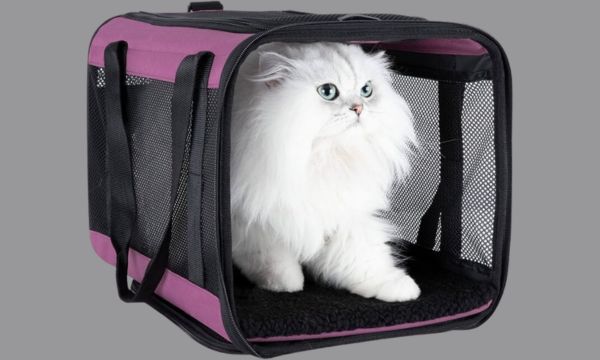
https://blog.indiacricket.co/safe-travels-with-persian-cat-carriers/#respondThu, 24 Aug 2023 21:45:16 +0000https://tvdoperu.com/?p=104Whether you’re taking a short road trip or embarking on an off-road adventure, you’ll need to plan and consider carefully how you’ll be traveling with your Persian cat.
Because of their unique and sensitive appearance, Persian cats need to feel safe and comfortable when traveling.
A well-chosen cage will not only keep your cat safe, but also reduce the stress of travel for both you and your cat.
Why You should Buy a Carrier for Your Persian Cat?
The cage is like a protective cocoon for the Persian cat. It can provide your cat with a safe place when traveling to new places.
The harness prevents your cat from easily moving around in the car, reducing the risk of accidents and keeping your cat safe if you need to stop or drive fast.
In addition, the carrier also acts as a barrier to protect your cat from outside stimuli, which can help reduce anxiety and stress.
Factors to Consider While Choosing a Carrier:
Choosing the right cage for your Persian cat is one of the most important things you can do to ensure a smooth journey. When choosing a provider, consider the following factors:
Size: Choose a cage that gives your Persian cat enough room to stand, turn around and lie down.
Ventilation: Look for a baby carrier that is well ventilated so that there is a constant flow of air and your baby doesn’t get too hot.
Materials: Choose a case made of sturdy and easy-to-clean materials. Soft-sided carriers are easy to use and weigh less, while hard-sided carriers are safer.
Accessibility: Choose a cage with an easy-to-open door so you can talk on the go and give your cat a treat or encouragement.
Safety: Make sure the carrier has a lock or fastener that cannot be accidentally opened.
Help your Persian cat get used to the crate the day before your trip. This will make him or her less nervous. Place the baby carrier in a place in the house that your baby knows and loves, with the door open.
Put treats, toys or your cat’s favorite blanket in the box and let him look around. Associating good things with providers will make you feel more comfortable.
Getting Ready for Travel:
As the day of your trip approaches, here are a few things you can do to ensure a smooth journey:
Check Health Status: Schedule a visit to your vet to make sure your cat is healthy enough to travel. When crossing the border, make sure you are up to date on your vaccinations and have all the documents you need.
Meal Timing: Give your cat a small meal a few hours before the trip to prevent an upset stomach.
Comfort Items: Put something familiar in the cage, such as a blanket or sheet that smells like you, to make the pet feel safe.
Litter Box: For longer trips, it is best to pack a small disposable litter box in your suitcase.
How to Stay Safe while Traveling:
When you are on the road, put your Persian cat’s safety first:
Secure Placement: Place the harness on a flat surface, preferably in the back seat, or secure it with a seat belt. Do not place the suitcase on the front seat, otherwise the airbag may explode.
Avoid Sunlight and Extreme Temperatures: Make sure the harness is not in direct sunlight or in places that are too hot or too cold. Keep the temperature in your car at a comfortable level.
Minimum Stops: Stop only in safe places and do not open the housing unless necessary. Keep your cat on a leash when parking.
Don’t Make Loud Noises: Keep your cat away from loud noises such as car horns or heavy traffic, which can stress you out.
Arrival and Settling In:
When you get there, give your Persian cat some time to get used to the new environment. Set up a special place for them with things they are used to, such as cages, litter boxes, food and water bowls. Let your cat explore at his own pace and give him comfort and love when he needs it.
Be Prepared for Emergencies:
Even if you want your trip to be easy, it’s important to be prepared for the unexpected:
Emergency Contact: Find out how to contact your local vet or emergency animal center as soon as you arrive.
First Aid Kit: Bring a basic first aid kit with things like gauze, tweezers, and antiseptic wipes.
Medicine: If your cat is on medication, make sure you have enough for the entire trip.
Safe Travels with Persian Cat Carriers- Google Source
Conclusion:
If you plan ahead and get a good cage, you can travel safely with your Persian cat. By understanding your cat’s needs, providing him with a safe place to stay, and following safety rules, you can ensure that you and your cat have a great time while traveling.
Remember that your companionship and care are very important for your Persian cat to feel safe and loved while traveling.
FAQs:
1. Can I use an open cage for my Persian cat?
While open racks provide visibility, they may not offer the same level of safety and comfort as closed racks. Closed carriers are usually a better choice for travel.
2. Do I have to insure the carrier during my trip?
Covering a wearer with a lightweight blanket or towel can create a comfortable, safe atmosphere and reduce irritation and anxiety.
3. How often should I drink water while traveling?
Provide water when parked, but make sure you don’t get so hydrated that you go to the toilet too much.
4. Is it safe to let my Persian cat roam free in the car?
No, it can be dangerous to let your cat roam free in your car. Use a carrier to keep them safe and avoid distractions.
5. What should I do if my cat is in pain during the journey?
If your cat is showing signs of distress, such as excessive meowing or panting, find a safe place to stop and offer comfort.
6. Can I sedate my Persian cat while traveling?
It’s best to consult your vet before considering any form of sedation for your cat. Tranquilizers can have different effects and risks.
]]>https://blog.indiacricket.co/safe-travels-with-persian-cat-carriers/feed/0104Dealing with Persian Cat Health Issues
https://blog.indiacricket.co/dealing-with-persian-cat-health-issues/
https://blog.indiacricket.co/dealing-with-persian-cat-health-issues/#respondThu, 24 Aug 2023 21:24:45 +0000https://tvdoperu.com/?p=100Owning a Persian cat is fun because they are beautiful and cute. But their unique body also makes them more susceptible to certain health problems.
As a responsible pet owner, you should be aware of these potential health issues and take steps to ensure your Persian cat stays healthy.
This comprehensive guide will help you deal with common health issues and provide helpful tips on how to keep your beloved feline healthy and happy.
Common Health Problems in Persian Cats:
As beautiful as Persian cats look, their flat faces and long coats can cause health problems. Here are some of the most common health problems:
Breathing Problems: Because of their flattened faces (brachycephalic), Persian cats often have trouble breathing. Because of the short nasal tubes, they can snore, wheeze and have trouble breathing, especially when it’s hot or humid.
Dental Problems: Due to their unique facial shapes, Persian cats can suffer from dental problems such as crooked teeth, crowded teeth and a higher chance of developing periodontal disease. Regular oral care is the only way to avoid these problems.
Skin and Coat Issues: Persian cats have long, soft fur that requires careful grooming. Without proper grooming, their fur can become tangled, which can irritate their skin and make them more susceptible to disease.
Eye Conditions: Their large, expressive eyes can suffer from excessive tearing, eye infections, and lens ulcers. Tear stains are a common problem among Persian cat owners and can exacerbate these problems.
Urethral Problems: Persian cats can develop urinary problems such as bladder infections and urinary blockages. These problems are compounded by their size and the fact that they drink less water.
The health of Persian cats starts with a balanced diet. Choose a high-quality cat food that contains all the nutrients they need.
Because Persian cats are prone to being overweight, it’s important to monitor their weight and make sure they don’t overeat. Talk to your vet to find the best diet and feeding plan for your cat based on his age, weight and activity level.
Grooming and Preventing Skin Problems:
To keep your Persian cat’s coat in good condition, you should clean it regularly. Comb your hair daily to prevent tangles, tangles or excessive falling out. Pay special attention to knot-prone areas, such as the belly and behind the ears.
You can also get to know your cat better and check its skin for signs of itching or other problems during grooming.
Dental Care for Persian Cats:
Due to the facial structure of Persian cats, they are more prone to dental problems. Create a dental care plan for your cat and brush regularly. Use a toothbrush and toothpaste designed specifically for cats to keep teeth clean and prevent plaque buildup.
Dental treats and toys that keep teeth and gums healthy can also be a great addition to their routine.
Lung and Breathing Problems:
The unique facial shape of Persian cats can make it difficult for them to breathe. Make sure their living space is well ventilated and free of things that might disturb them.
Do not put them on a high heat, as they may not control their body temperature very well. If your Persian cat has chronic breathing difficulties, see a vet immediately to rule out any problems.
Care for Eyes and Tear Stains:
Due to Persian cats’ large eyes, tear stains are a common concern for owners. Gently wipe the eye area with a damp cloth to reduce tear stains.
Check their eyes often for redness, excessive crying, or discharge, as these could be signs of an eye infection or other health problem. If you notice strange symptoms, take your pet to the vet.
Urinary Tract Health:
Urinary problems are a big problem for Persian cats. Because of their body structure and how little water they drink, they are more prone to urinary tract problems such as bladder infections and urinary tract blockages.
Feeding them a balanced diet will keep their urinary tract healthy and encourage them to drink plenty of water. If your cat behaves differently in the litter box or is uncomfortable urinating, take him to the vet immediately.
How to Recognize the Signs of Illness:
Cats are very good at hiding signs of illness, so it’s important to watch for changes in their appearance or behavior. Watch for signs of fatigue, hunger, vomiting, diarrhea, coughing, sneezing, or trouble breathing.
If you notice any of these symptoms, contact your doctor immediately for a full examination and proper diagnosis.
Regular Visits to the Vet:
Regular vet visits are necessary to keep a close eye on your Persian cat’s health and to address any problems immediately. Your vet can give your cat a complete physical exam, administer any necessary vaccinations, and recommend preventative measures tailored to her needs.
Regular checkups can help detect health problems before they become serious, increasing the likelihood that treatment will work.
Dealing with Persian Cat Health Issues-Google Source
Conclusion:
Raising a Persian cat is an amazing adventure full of love, friendship and commitment. By understanding and addressing the health issues that can occur with this unique breed, you can provide your cat with a better quality of life.
You can ensure that your Persian cat is happy, healthy and well-behaved by making sure that your Persian cat is properly fed, cleaned and has regular veterinary visits.
FAQs:
1. Are Persian cats more prone to obesity?
Yes, Persian cats are more prone to being overweight due to their sedentary nature and potential for overeating. Monitoring their diet and encouraging exercise are critical.
2. How often should I groom my Persian cat?
Daily grooming is recommended to prevent mats and tangles in the long coat. Regular grooming sessions also provide an opportunity to bond and allow you to monitor the health of their skin.
3. How to prevent dental problems in Persian cats?
Establish a dental care routine by brushing regularly and offering dental treats or toys. Regular veterinary dental checkups are also important.
4. Can tear stains in Persian cats be prevented?
Although tear stains are common in Persian cats, cleaning the eyes regularly and keeping the area around the eyes dry can help reduce tear stains. If it becomes excessive, see a vet.
5. How to ensure the health of the Persian cat’s urinary system?
Provides a balanced diet, supports urinary tract health and promotes proper hydration. Monitor them for any changes in their litter box habits and seek the help of a vet if necessary.
6. How often should I take my Persian cat to the vet?
Annual checkups are recommended, but if you notice any medical problems, more frequent checkups may be necessary. Consult your vet for advice and create a preventative care plan based on your cat’s needs.
]]>https://blog.indiacricket.co/dealing-with-persian-cat-health-issues/feed/0100Persian Cat Allergies: What You Need to Know
https://blog.indiacricket.co/persian-cat-allergies-what-you-need-to-know/
https://blog.indiacricket.co/persian-cat-allergies-what-you-need-to-know/#respondThu, 24 Aug 2023 20:58:35 +0000https://tvdoperu.com/?p=28If you are considering buying a Persian cat or already have one, it is important to know the allergens.
While these beautiful cats make wonderful pets, some people may be allergic to them due to their long fur and certain genetic traits. Let’s learn more about this topic so that you are well prepared.
Understanding Persian Cats:
Persian cats are known for their beautiful appearance, which consists of long, wavy fur, a flat face, and large eyes. As beautiful as they are, their uniqueness can also aggravate allergies.
These cats shed hairs, which are small bits of skin that can make people with allergies sick. In addition, the shape of their faces causes the tear glands to overflow, moistening the eyes and making it easier for allergens to spread.
Common Allergens in Persian Cats:
When it comes to allergies, dander isn’t the only culprit. Some people may also be allergic to proteins in the mouth and urine of Persian cats. These proteins can easily become airborne and inhaled, causing widespread allergic reactions.
Male cats are more likely than female cats to produce allergy-causing proteins, so if you are very sensitive you may want to get a female Persian cat.
Several things can happen if someone is allergic to Persian cats. Some of the most common symptoms include sneezing, coughing, itchy or watery eyes, runny nose, and even skin rashes.
In more severe cases, people may experience shortness of breath or asthma-like symptoms. To figure out what’s causing these symptoms, differentiate them from other potential allergens in your environment.
Determine if a Persian Cat is Allergic:
If you think you or a family member is allergic to your Persian cat, you should consult an allergist to be sure. They can get tested to find out which allergens caused the reaction, which can help them develop a coping plan.
Keep in mind that allergies develop over time, so even if you’ve lived with cats in the past, it’s best to figure out what’s causing your symptoms.
How to Deal with Allergies: Tips and Tricks
Taking care of your allergies doesn’t mean giving up on your pets. Simple steps such as keeping your home clean, using air filters, and keeping cats out of certain areas of the house can go a long way in limiting exposure to allergens.
If you regularly clean your home and areas where cats live, the amount of allergens can be significantly reduced.
Creating an Allergy-Friendly Environment:
Keeping living areas clean is one way to reduce germs. Using a HEPA filter when vacuuming, washing bedding regularly, and using hypoallergenic materials will allow you and your Persian cat to thrive in the same area.
Plus, investing in a good air filter can help trap airborne allergens, improving the overall air quality in your home.
Grooming and Hygiene Practices:
Persian cats need regular grooming so they don’t get confused or shed too much. But cleaning should minimize the spread of allergens. You may want to wash and brush your cat outside or in a well-ventilated area.
While the cleaning process may aggravate allergens initially, it can help reduce the amount of loose hair and dander in your home in the long run.
Allergy Medications and Treatments:
Antihistamines, which you can buy over the counter, can help relieve mild allergies. In more severe cases, you may be given prescriptions or allergy shots. Talk to Allergen to find out what’s best for your situation.
Remember that medications can help relieve symptoms, but it’s important to treat the cause by limiting exposure to the allergen.
How to Balance Allergies and Companionship:
There is no doubt that a cat shares a strong bond with its owner. If you still want to keep your Persian cat despite an allergy, rest assured that with careful care, the symptoms will be much less severe.
By using and sticking to the methods we’ve discussed so far, you can make your home a great place for you and your cat to live in.
How to Know When to Go to the Vet:
Humans aren’t the only ones who get allergies; cats can do that too. If your Persian cat shows signs of pain, such as excessive scratching or skin problems, take him to the vet.
They can rule out other health problems and give you advice on how to deal with pet allergens.
How to Prevent Allergies in Sensitive People:
If you are considering bringing a Persian cat into your home with people prone to allergies, you may want to spend some time with the cat first to see if anyone reacts to it. Regular exposure can desensitize a person over time.
It’s also a good idea to discuss your plans with your allergist. They can give you personal advice based on your medical background.
Allergies and the Breeding of Persian Cats:
If Persian cats are bred with an emphasis on certain physical traits, their allergy level may be affected. Before buying a Persian cat, find out what the breeder does and where the cat comes from.
Keep in mind that while hypoallergenic varieties are said to produce fewer allergens, people’s reactions can still be very different.
Understanding Hypoallergenic Breeds:
People with allergies are often told to look for hypoallergenic varieties. These types produce fewer allergens, so some people may be able to handle them better.
But it’s important to remember that no cat is completely free of allergies and attacks can still occur. Before making your choice, take a moment to learn about hypoallergenic varieties.
A Holistic Approach to Dealing with Allergies:
A holistic approach can be used in conjunction with medications to treat allergies. Some of these measures include supplementing your cat with omega-3 fatty acids, using natural products for allergy relief, and making sure the temperature in your home is just right. Consult your allergist and doctor before trying any new treatment.
How Allergies Affect Your Mind:
Living with allergies can leave you feeling frustrated, stressed, and even sad, especially if it makes you consider giving up your beloved pet. If your allergies are making you feel bad about yourself, it’s best to see an allergist, doctor, or therapist who knows how to help someone with a pet allergy.
A long-term Allergy Prevention Plan:
While short-term management is important, having a long-term plan can make a big difference. You may want to consider immunotherapy while working with your allergist and veterinarian to manage your current symptoms.
In this treatment, the body is slowly exposed to the allergen, building up a tolerance over time.
Community Assistance for Allergy Sufferers:
If you are allergic to Persian cats, you are not alone. When people with allergies join online communities or local support groups, they can find a lot of help, personal stories, and emotional support.
Sharing your struggles and successes with someone who has achieved them can be very motivating.
Persian Cat Allergies: What You Need to Know-Google Source
Conclusion:
Understanding and dealing with allergies is a very important part of being a caring Persian cat owner. If you follow a few helpful tips and talk to a professional if necessary, you can build a happy relationship with your Persian cat without putting your health at risk.
Remember that allergies don’t have to get in the way of the special bond you have with your cat, as long as you work hard and know what to do.
FAQs:
1. Can I completely remove allergens from my home?
While it is challenging to completely eliminate allergens, careful cleaning and management can significantly reduce their presence.
2. Would a hypoallergenic cat breed be a better choice?
Hypoallergenic varieties may produce fewer allergens, but individual reactions may vary. Spend some time with your cat before making a decision.
3. Can allergies occur even if I’ve had cats before?
Yes, allergies can develop or worsen over time, even if you’ve had cats before.
4. Are there hypoallergenic grooming products for Persian cats?
Yes, there are some beauty products that aim to reduce the spread of allergens during grooming.
5. Is it possible that my allergies will improve over time?
In some cases, regular exposure to allergens can lead to decreased sensitivity over time.
]]>https://blog.indiacricket.co/persian-cat-allergies-what-you-need-to-know/feed/028Ultimate Comfort Cat Beds for Naptime
https://blog.indiacricket.co/ultimate-comfort-cat-beds-for-naptime/
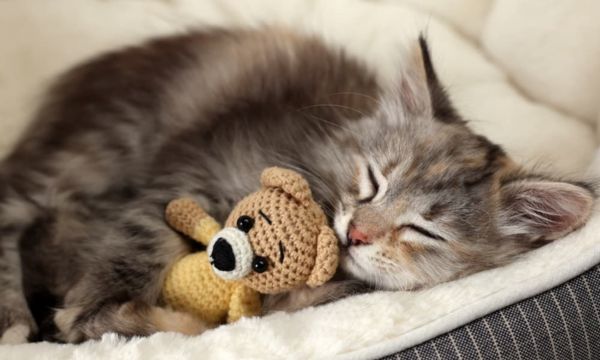
https://blog.indiacricket.co/ultimate-comfort-cat-beds-for-naptime/#respondThu, 24 Aug 2023 20:47:00 +0000https://tvdoperu.com/?p=53Every cat owner knows that one of the most cherished sights is seeing his feline friend, curled up in the comfort of his bed, dozing peacefully.
Cats are notorious for napping and spend much of their day grooming their sleep.
Providing your furry companion with the ultimate comfortable cat bed is not only an act of love, but also a way to ensure their happiness and joy.
The Importance of A Quality Cat Bed
Cats, like humans, have preferences for where they sleep. Providing them with a comfortable, quality sleeping space is critical to their physical and mental health.
A high-quality cat bed has several advantages:
Orthopedic braces: Senior cats, as well as cats with joint or muscle problems, can greatly benefit from a cat bed designed with orthopedic braces. These beds have the right balance of softness and firmness to reduce discomfort and promote better sleep.
Warmth and security: Cats are naturally drawn to places that are warm and comfortable. Cat beds provide a safe environment in which they can curl up and feel protected, reducing anxiety and stress.
Hair Control: Cat beds help to control loose fur and dander, making your living space easier to clean and maintain.
Prevent furniture damage: Cats like to scratch and knead, and this behavior can cause damage to your furniture. Providing a cat bed with a scratching surface can help distract this behavior from your valuables.
Choosing the Perfect Cat Bed
When choosing the ultimate comfortable cat bed for your feline companion, keep the following in mind:
Size: Choose a bed that is the right size for your cat. Cats love to stretch out, so choose a bed they can do that in.
Materials: Look for cat beds made from soft, durable, and hypoallergenic materials. Wool, memory foam, and natural fibers are popular choices.
Design: Cats have preferences for how they sleep. Some people like to curl up while others like to stretch out. If your cat likes to cuddle and feels safe, consider a bed with raised edges or a bed with a cover.
Washability: Cats can get dirty, so opt for a bed with a removable, machine-washable cover for easy cleaning.
If you’re crafty, or want to personalize your cat’s sleeping space, consider making a cat bed yourself. Here are some creative ideas:
Seamless Wool Bed: Take two pieces of wool fabric, cut them into matching shapes (such as a circle or oval), and tie the edges together to create a simple, yet comfortable bed.
Converting a sweater bed: If you have an old sweater that you no longer wear, you can convert it into a cat bed. Simply sew the sleeves and neckline, fill the body with soft material and your cat will have a warm and comfortable bed.
Cardboard Box Bed: Cats have an uncanny knack for cardboard boxes. Cut a hole in the side of a cardboard box, spread a soft blanket over it and watch your cat claim it as his new favorite sleeping spot.
Upcycled Suitcase Bed: If you have a small suitcase, remove the lid and spread a cozy blanket on the bottom for a unique and stylish cat bed.
Signs Your Cat Loves Their Bed
Cats may not be able to express their gratitude in words, but they certainly show their appreciation for a comfortable bed through actions. Watch for these signs that your cat loves his bed:
Frequent use: If your cat consistently prefers his own bed to other places to sleep, this is a clear sign that he feels comfortable and safe there.
Kneading and purring: When a cat is comfortable and happy, it often kneads soft surfaces with its paws and purrs contentedly. If your cat does this in bed, she’s sure to enjoy it.
Stretching: Cats that trust their environment and feel safe tend to stretch well enough when they sleep. When your cat is snuggled up in bed, he’s in cat heaven.
Relaxed body language: Anxious or uncomfortable cats have tense body language. If your cat is relaxed on the bed with eyes closed, this is a sign that he is relaxed.
Ultimate Comfort Cat Beds for Naptime-Google Source
Conclusion
Investing in an ultra-comfortable cat bed is an investment in your cat’s happiness and well-being. From orthopedic support to warmth and security, a well-chosen cat bed offers many benefits to your feline friend.
Whether you opt for a store-bought bed or decide to get creative with a DIY project, you’ll see the priceless joy in your cat’s eyes as he enjoys his cozy refuge.
Remember, a comfortable cat is a happy cat, and a happy cat means a happy home. So go ahead and give your furry companion the nap they deserve!
Frequently Asked Questions
1. Why do cats need special beds? Can’t they sleep peacefully?
While cats are known for their ability to nap in a variety of locations, there are several benefits to providing special cat beds. The design of the cat bed is warm, warm and comfortable, meeting the cat’s natural desire for a safe sleeping environment.
In addition, specialized beds, such as orthopedic beds, can provide support and comfort, especially for elderly or ailing cats.
2. Which material is best for a cat bed?
The best material for a cat bed is soft, durable and easy to clean. Common materials include wool, plush fabrics, memory foam, and natural fibers. If your cat has sensitivities, choose hypoallergenic materials. Look for covers that are removable and machine washable to make cleaning a breeze.
3. How do I know if my cat likes the bed I choose?
While every cat is unique, there are some signs that your cat enjoys its bed. If your cat uses the bed a lot, scrunches and purrs on it, stretches comfortably and shows relaxed body language, he probably loves his bed.
Keep in mind that it may take some time for the cat to get used to the new bed, so be patient.
4. Are there specific beds for cats with medical problems?
Yes, there are specialized cat beds designed to meet different health needs. Orthopedic beds are ideal for cats with joint or muscle problems and provide the right support.
Heated beds can keep cats with arthritis warm. Consult your veterinarian for recommendations based on your cat’s health.
5. Can I make my own cat bed?
Absolute! DIY cat beds are fun and creative. You can reuse old sweaters, cardboard boxes, suitcases, and more to create a unique sleeping space for your cat.
Make sure the materials you use are safe and comfortable for your furry friend.
]]>https://blog.indiacricket.co/ultimate-comfort-cat-beds-for-naptime/feed/053Training Techniques for Persian Cats
https://blog.indiacricket.co/training-techniques-for-persian-cats/
https://blog.indiacricket.co/training-techniques-for-persian-cats/#respondThu, 24 Aug 2023 20:45:44 +0000https://tvdoperu.com/?p=34Persian cats are known for their regal looks and luxurious fur, but did you know you can teach them amazing things too?
Cats are often thought to be less trainable than dogs, but because Persian cats are intelligent and curious, they can learn tricks and other behaviors.
In this article, we will discuss effective methods for training Persian cats. This will help you form a strong bond with your feline friend and improve their mental stimulation and overall health.
How to Understand Persian Cat:
Before you start teaching a Persian cat, you need to know what kind of cat it is. People often think that these beautiful, calm cats sit there and look regal.
But beneath their laid-back exterior lurks a curious and intelligent creature that takes advantage of mental and physical activity. Exercising is a great way to bring out their natural abilities and keep them in a good mood.
Positive Reinforcement: The Key to Success
Positive reinforcement is the key to success when teaching Persian cats or any other breed of cat. Positive reinforcement, on the other hand, rewards good behavior rather than punishing it, which can lead to anxiety and worry.
Not only will this approach help you get closer to your cat, but it will also make him want to do the same things that keep him entertained over and over again.
Clicker training is a popular method that uses a clicker (a small hand-held device that makes a distinct clicking sound) to mark desired behaviors.
By combining a click with a treat, your cat knows that a click means something good. This method is especially good for creating specific moves and techniques.
2. Targeted Training
Target training is teaching your cat to touch an object with its nose or paw. This object is usually a small stick or your hand. Start by holding the object close to your cat and rewarding him with something when he touches it.
Gradually change this behavior to give the treat only when the nose or hands are touched. This method is flexible and can be used to teach many different techniques.
3. Training based on Behavioral Signals
It can be fun to teach your Persian cat certain things. For example, teaching them to obey commands like “sit down,” “stay,” and “come here” can help you gain more control over them and improve their mental skills. Start with short lessons and reward them when they do what you want them to do.
Persian Cats can be Taught to Do Tricks:
Although Persian cats aren’t as active as some dogs, they can still learn a lot of cool tricks. You can teach your Persian cat the following:
1. High Five
It would be nice if you could teach your cat to give you a high five. Hold the treat above their heads and pet their paws. When they raise their hand, give them a treat and tell them something like “high five.” With practice, they will learn that a signal means you have to do something.
2. Spin
Teaching your Persian cat to purr is fun and good for his or her brain. Hold the treat close to their nose and lead them in a circle. Give them a prize and tell them to “spin” when they go after the treat. Over time they will learn to spin when you tell them to.
3. Go Through the Hoop
If you are patient and persistent, you can teach your Persian cat to jump through hoops. Hold the ring close to the ground and put a treat on the other side and pass it through the ring. Slowly lift the hoop until they can easily jump over it
Teaching a Persian Cat to Use the Litter Box:
Litter training is an important part of Persian cat care, especially if he spends most of his time indoors. These cats have a natural tendency to use the litter box, which is fine.
Here’s how you can train your dog to use the litter box properly:
Choose the Right Litter Box: Persian cats have soft fur that needs grooming, so choose a large, open litter box that suits their size and is easily accessible.
Choose the Right Litter: Persian cats love clumpy, smelly cat litter. Avoid things with a strong smell, which might make them want to use the litter box.
Find the Right Place: Place the litter box in a quiet and easily accessible place. Do not go to crowded or noisy places so as not to startle them.
Keep it Clean: Persian cats like to be clean, so the litter box should be scooped every day and cleaned every few days.
Advanced Training: Training with a Leash:
Many Persian cats can be trained to walk on a leash, even if you think it’s impossible. Training your cat to walk on a leash will keep him safe outside and give him mental and physical exercise. First things first:
Introduce the Harness: Choose a harness that fits well, is comfortable and easy to wear. Let your cat wear the harness around the house for a while before you fasten the leash.
Positive Associations: You can teach your cat to like a collar and leash by giving him treats and praising him when he puts on the collar and leash.
Initial Outings: Start by taking your cat for a short walk in a safe, enclosed area, such as your yard. Let your cat explore at his own pace while you watch.
Do Not Give Up: Training on a leash takes time and care. Some cats adapt right away, but others may take longer. You should always put your cat’s happiness and well-being first.
Conclusion:
Training a Persian cat can be a fun and fulfilling experience for both of you. By using positive feedback, you can teach them skills and behaviors that will make them smarter and strengthen your relationship with them.
Remember every cat is different so be patient, celebrate small victories and enjoy the process of helping your cat reach its full potential.
FAQs:
1. Can Persian Cats Be Trained Like Dogs?
Although Persian cats are more independent than dogs, they are still trainable. With the right skills and patience, you can teach them all kinds of tricks and behaviors that show off their intelligence and curiosity.
2. At what age should I start training my Persian cat?
It is best to start training Persian cats at a young age, ideally between the ages of 2 and 3 months. However, older cats can also learn new behaviors with the right approach and consistent training.
3. What snacks should I eat while training?
Use small, soft treats that Persian cats can easily eat. Many cats are irritated by foods with strong flavours, such as small pieces of cooked chicken or commercial cat treats. Be sure to choose a food that suits your cat’s nutritional needs.
4. What should I do if my Persian cat doesn’t seem interested in training?
Some cats may take longer to warm up for training. Start with short periods and gradually increase the time as your cat becomes more involved. Use their favorite treats and toys to keep them interested and make training a positive experience.
5. Can an older Persian cat be trained?
Yes, it is possible to train older Persian cats, although this may require more patience and perseverance. Keep the training sessions short and interesting and focus on teaching them practical behaviors that improve their well-being and quality of life.
]]>https://blog.indiacricket.co/training-techniques-for-persian-cats/feed/034Cat Grooming Tools and Techniques
https://blog.indiacricket.co/cat-grooming-tools-and-techniques/
https://blog.indiacricket.co/cat-grooming-tools-and-techniques/#respondThu, 24 Aug 2023 20:30:15 +0000https://tvdoperu.com/?p=30Cats are not only wonderful companions, they also need proper care to keep them healthy and happy.
Regular grooming not only helps maintain your cat’s appearance, but also promotes good hygiene and prevents potential health problems.
In this article, we explore the essential cat grooming tools and techniques to keep your feline friend looking and feeling their best.
Beauty Tools
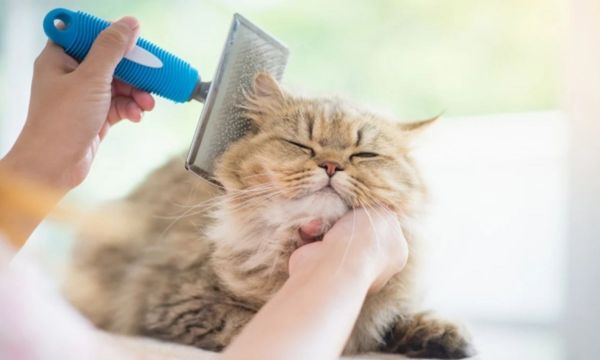
Smoothing brush: The smoothing brush is ideal for removing loose fur and preventing tangles. The fine-grained bristles effectively reach the undercoat, making it an essential tool for long-haired cats.
Bristles: Bristle brushes are ideal for short-haired cats. They help distribute natural oils, leaving the coat shiny and smooth.
Fine Tooth Comb: This comb is ideal for removing tangles and mats from both long and short haired cats. Regular care prevents sores on the skin.
Nail clippers: Trimming your cat’s nails is essential for your cat’s comfort and the safety of your furniture. Use a cat-specific nail clipper to avoid damaging the nails.
Ear cleaner: Cats are prone to ear infections, so regular cleaning with a vet-approved ear cleaner can prevent problems.
Toothbrush and toothpaste: The dental health of cats is often overlooked. Use a soft toothbrush and cat-friendly toothpaste to keep teeth clean and prevent dental problems.
Beauty Tips
Start Early: Start grooming your cats when they are young. This helps them get used to the process and reduces anxiety..
Tenderness: Cats are sensitive to their bodies. Stroke gently and avoid pulling on tangles to avoid discomfort..
Regular grooming: Brush your cat’s coat regularly to prevent tangles and reduce shedding. Long-haired cats may need daily brushing, while short-haired cats can be brushed several times a week..
Check for mats: Run your fingers through your cat’s fur to check for mats or tangles close to the skin. Use a fine-toothed comb to gently remove them..
Trimming nails carefully: If you’re not familiar with nail trimming, ask your vet to demonstrate the proper technique. Be careful not to cut any living creatures as this will cause bleeding..
Cleaning Ears and Teeth: While grooming, clean your cat’s ears with cotton balls and a vet-approved ear cleaner. Also, gradually incorporate brushing into your daily routine to keep your teeth healthy..
Reward System: Always reward your cat after grooming with treats, praise or playtime. This positive reinforcement helped them associate nurturing with positive experiences..
Watch for signs of stress: Pay attention to your cat’s body language. If they show signs of stress or irritability, take a break and resume grooming later.
Care Tips for Cats
While grooming is important, it’s also important to make sure your cat makes it an enjoyable experience. Here are some tips for a cat-friendly grooming routine:
Create a soothing environment: Choose a quiet and comfortable space to groom. Cats are more likely to relax in an environment where they feel safe.
Use positive reinforcement: During the grooming session, offer treats, kind compliments, and reassuring words. This positive association can make your cat more cooperative.
Take small steps: If your cat is new to grooming, start with short periods and gradually increase the time. This helps them get used to the process without getting overwhelmed.
Let them smell tools: Before using any grooming tool, let your cat sniff and inspect it. This helps them become familiar with the tools and reduces anxiety.
Massage and caress: Include gentle massages and caresses in your daily beauty routine. Not only will this relax your cat, but it will also help you identify sensitive areas that need special attention.
Keep Calm: Cats can sense your emotions. If you stay calm, your cat is more likely to stay relaxed during grooming.
Know when to stop: Pay attention to your cat’s signals. If they become restless or show signs of distress, grooming can be interrupted and resumed later.
Consult a professional: If you are in any doubt or are having trouble with any aspect of grooming, seek advice from a professional groomer or vet immediately.
Cat Grooming Tools and Techniques-Google Source
Conclusion
Basically, cat grooming is not just about maintaining your cat’s appearance, but also ensuring their overall health and well-being.
By using the right grooming tools and techniques and approaching the process with patience and a cat-friendly attitude, you can create a positive and bonding experience for you and your feline companion.
Regular grooming sessions offer the opportunity to strengthen your relationship, detect potential health problems early and keep your cat’s coat shiny and mat-free. Remember that every cat is unique, so tailor your grooming routine to their individual preferences and needs.
With ongoing care, your cat will not only look its best, but also thrive under your loving care.
The frequency of grooming depends on the coat type of the cat. Long-haired cats may need daily grooming to prevent tangles, while short-haired cats can be groomed several times a week.
Regular nail trimming and ear cleaning are also important.
2. Can I use care products for my cat?
Grooming aids designed for cats are recommended. Human tools may not be suitable and may cause discomfort or injury. Choose brushes, combs and nail clippers designed specifically for cats.
3. My cat hates grooming. what can I do?
If your cat refuses to be groomed, start with short, aggressive treatments and gradually increase the duration. Use treats and gentle compliments to create positive associations with beauty.
If resistance persists, consult a professional groomer or veterinarian for advice.
4. How do you prevent the cat’s coat from matting?
Regular brushing is key to preventing tangles. Pay special attention to areas prone to tangles, such as behind the ears and under the legs. If you encounter mats, use a comb to gently comb them, and if they are severe, seek professional help.
5. Is it necessary to groom short-haired cats?
Yes, even short-haired cats can benefit from brushing their teeth. It helps remove loose fur, distribute natural oils and prevent hairballs. Plus, it’s a chance to bond with your cat and monitor its overall health.
 Mini Shell